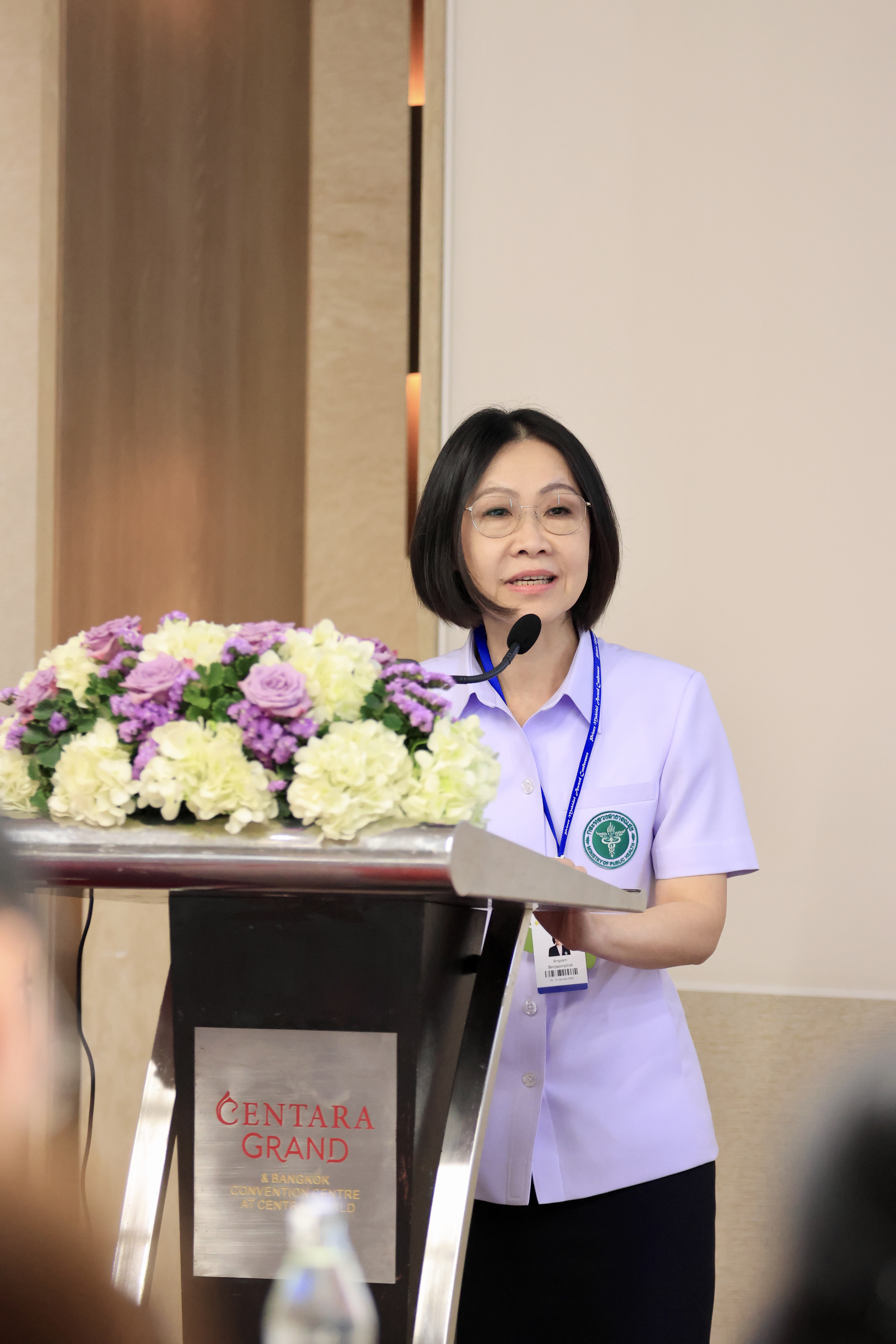
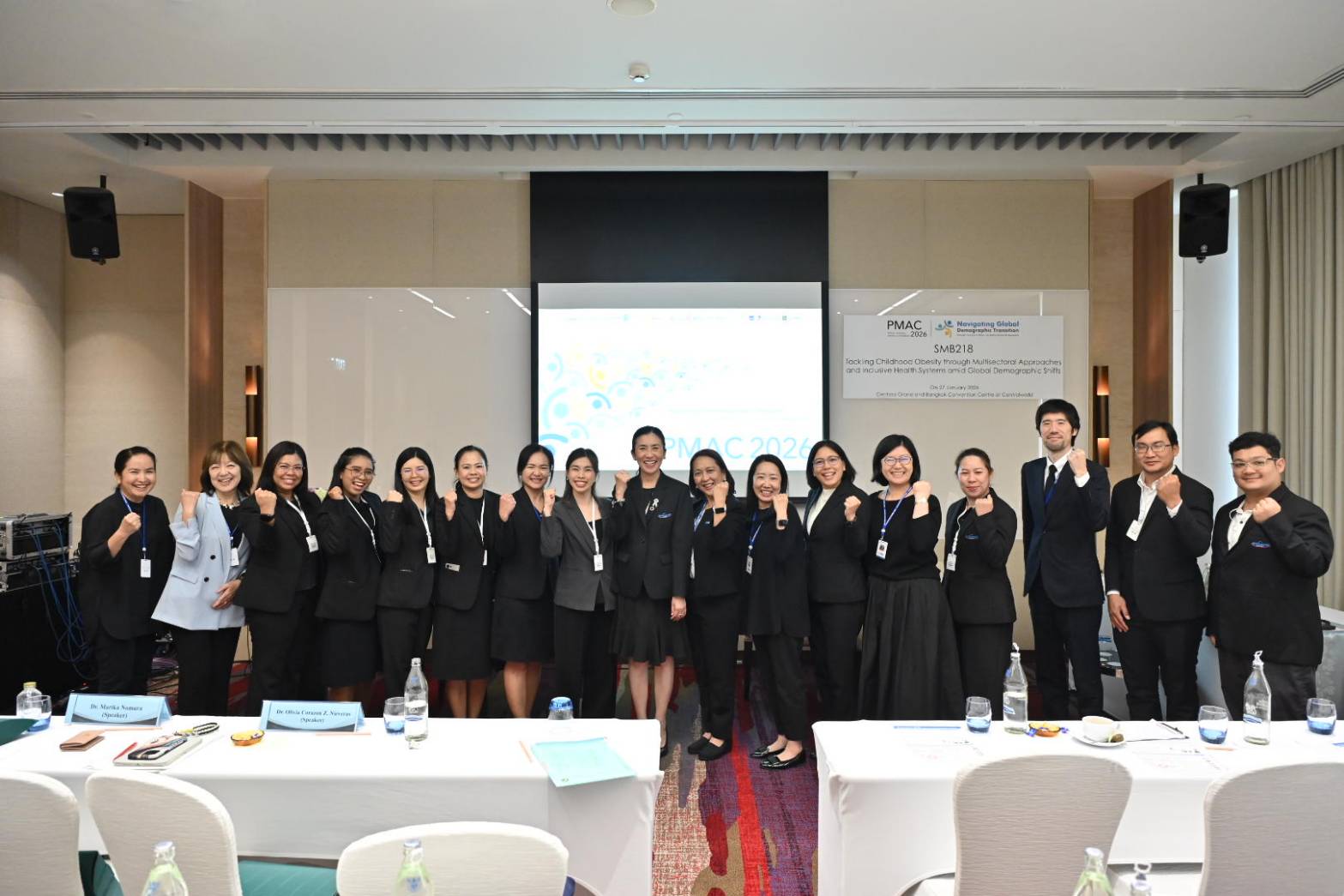
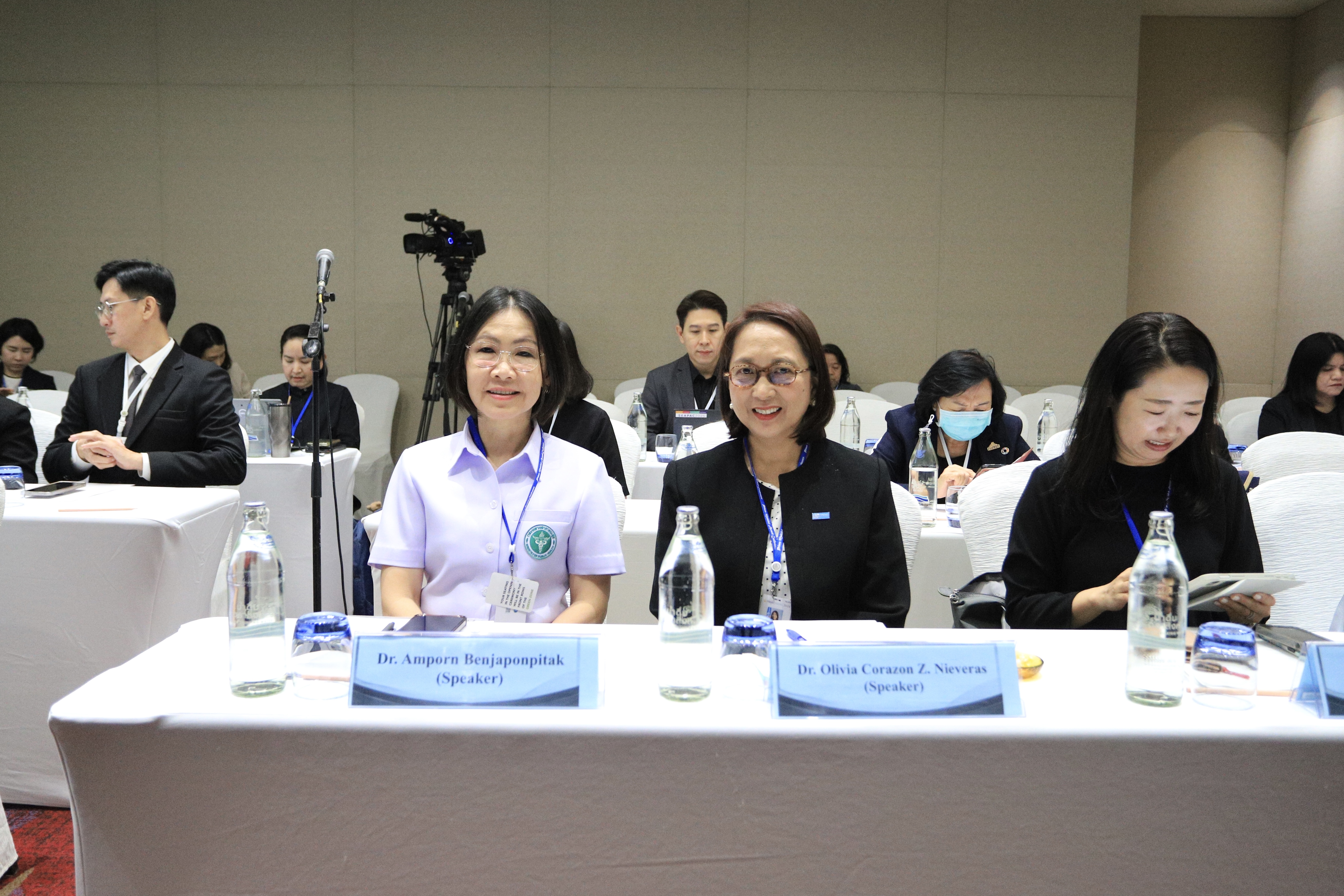
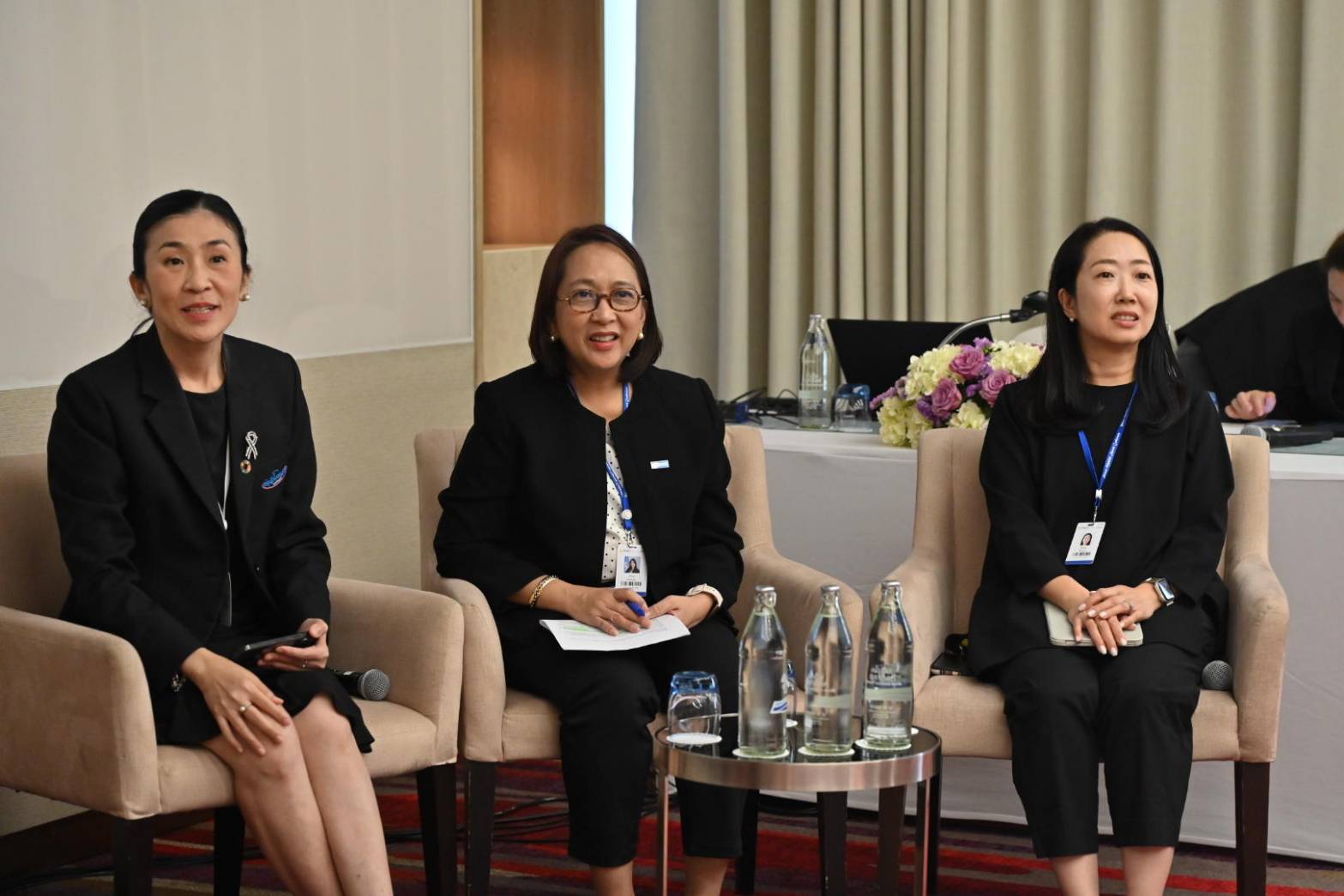
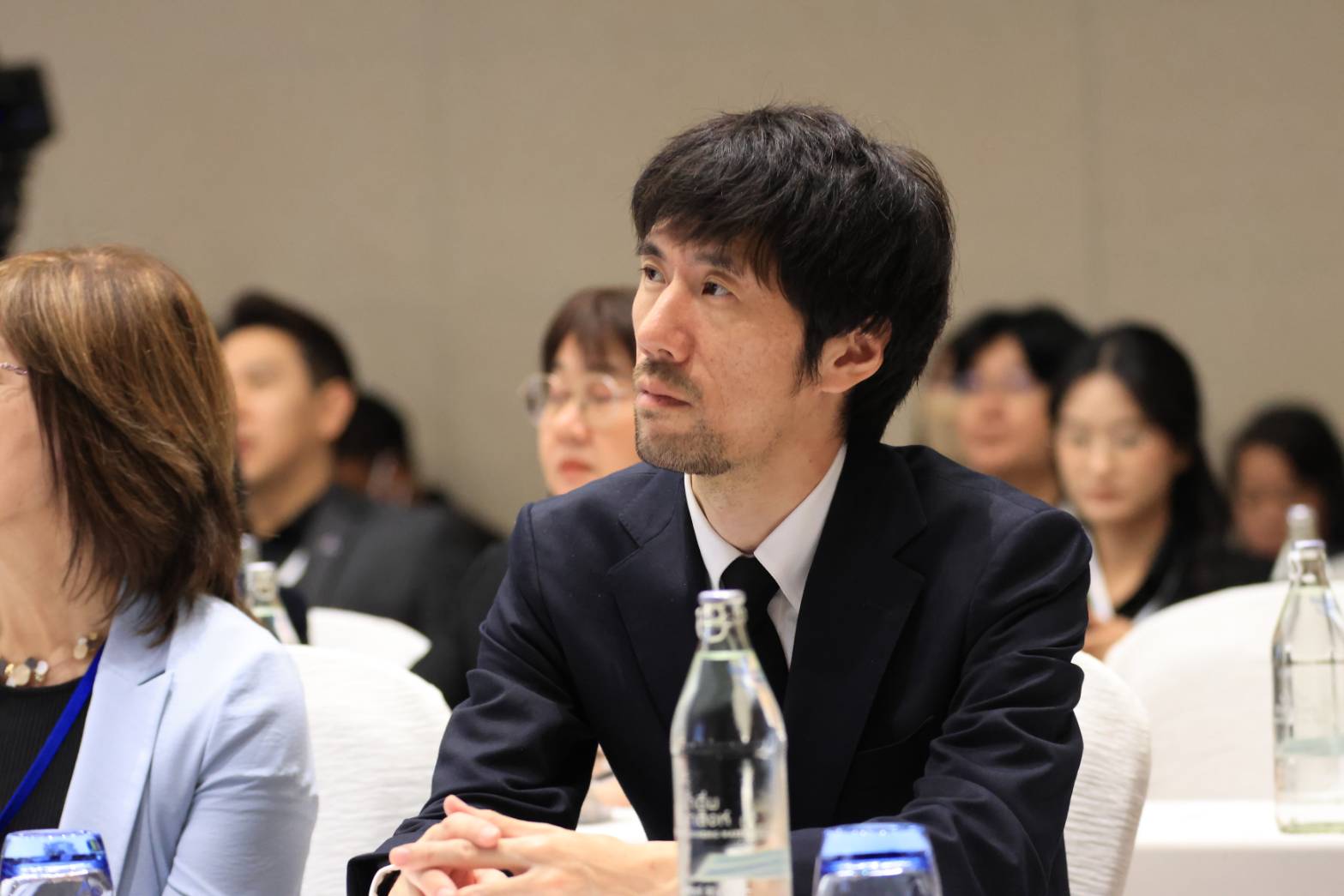
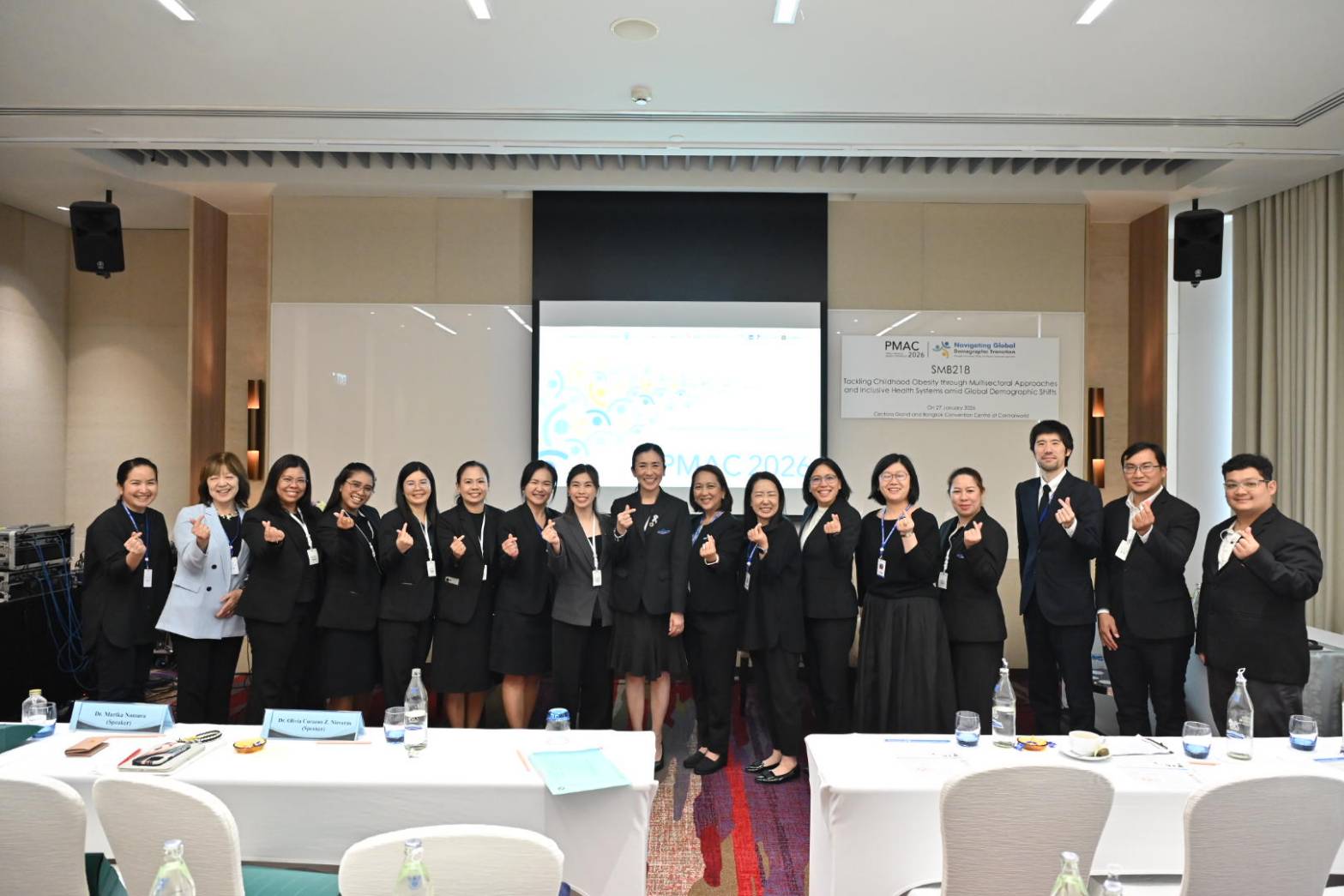
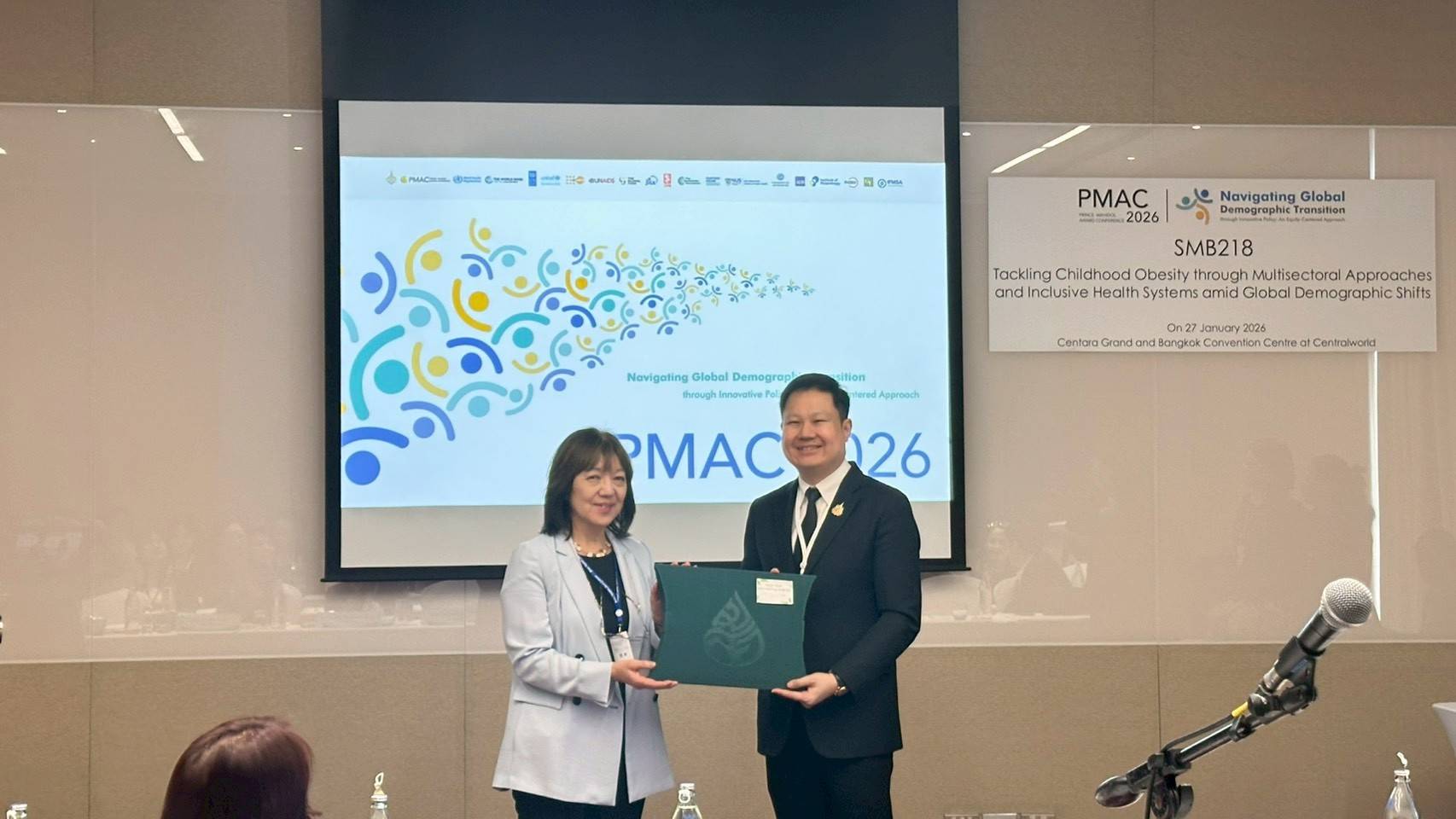
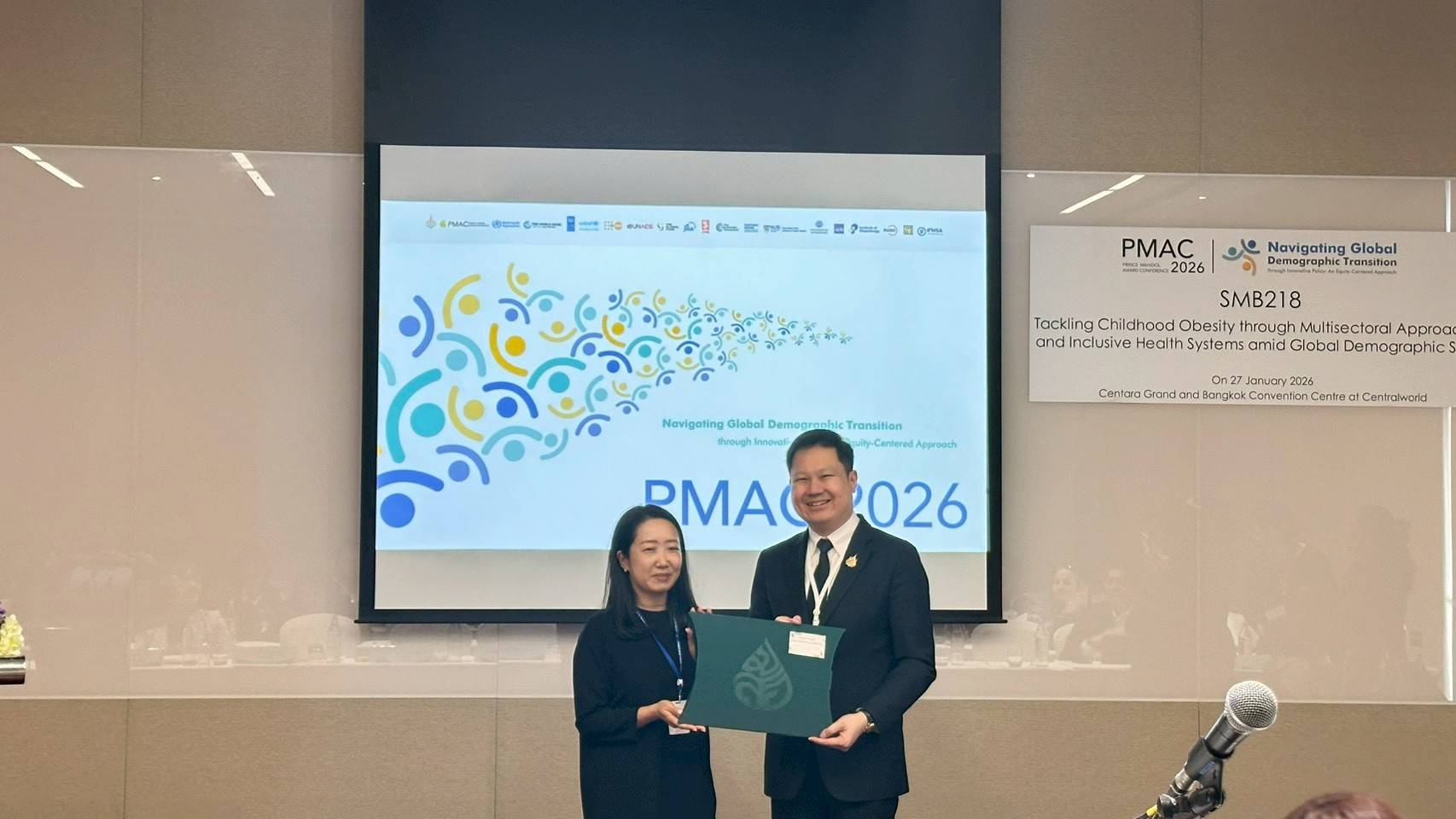
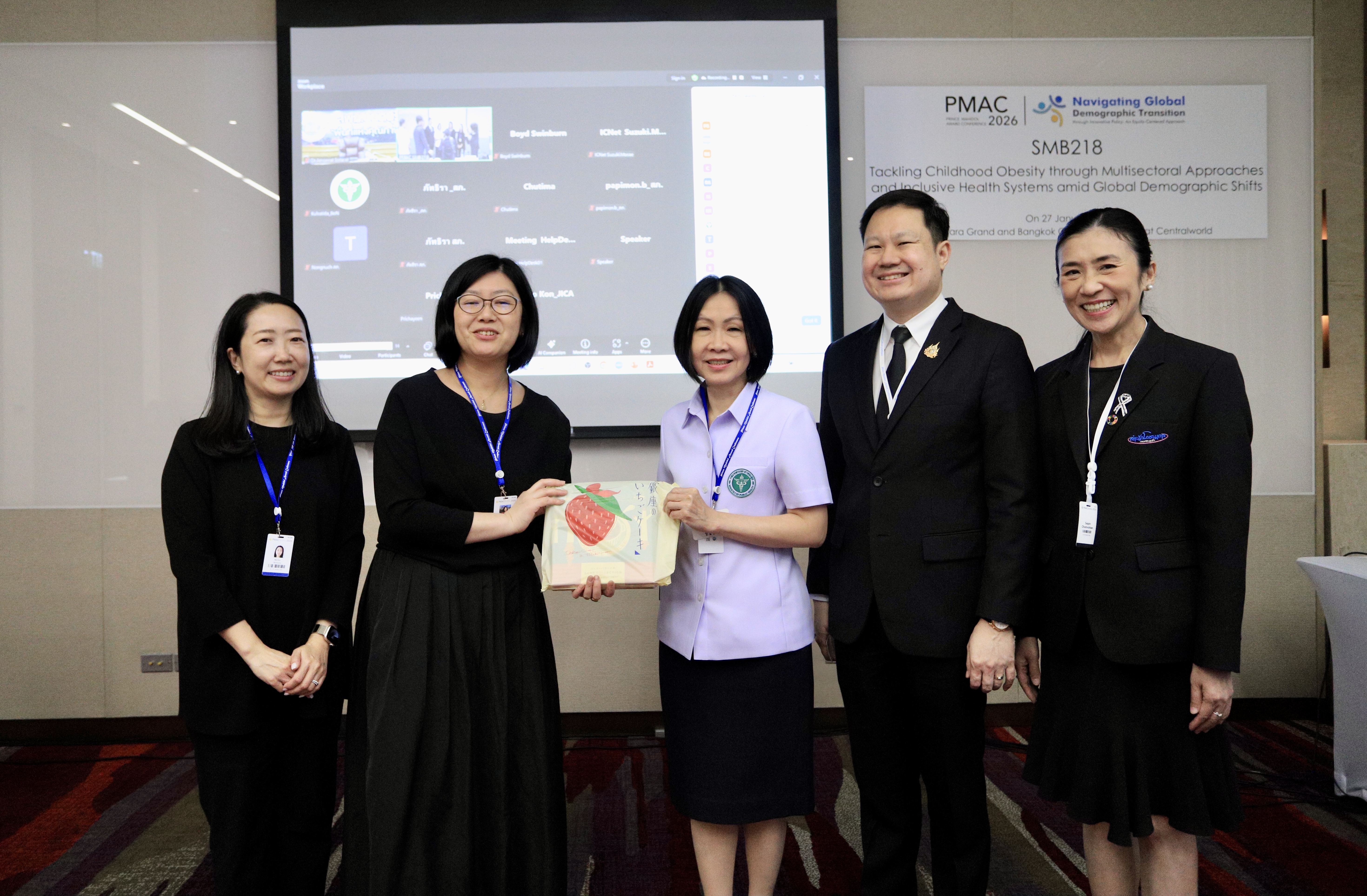
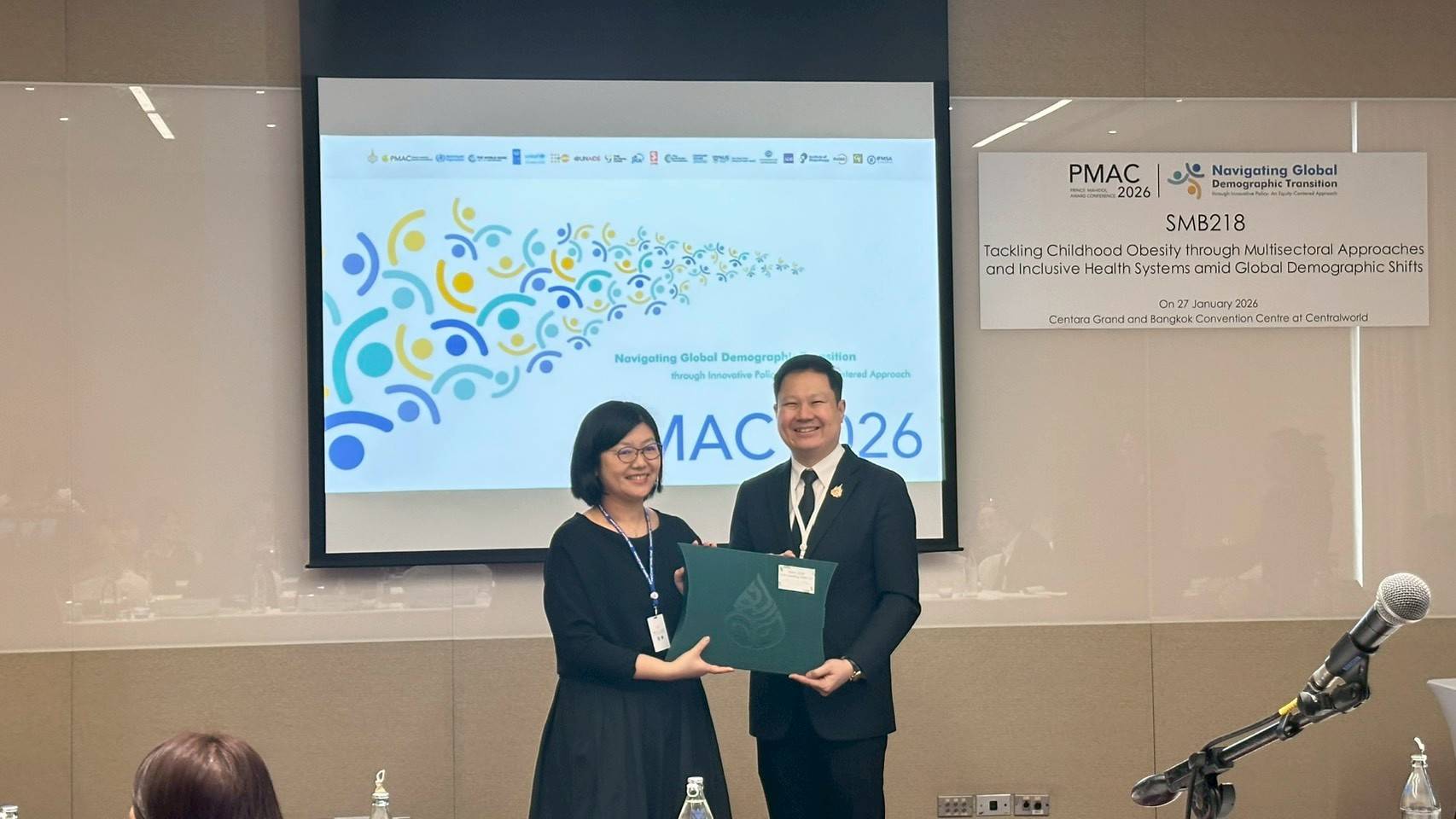
n 27 Jan 2026 (2–4 p.m.), the Department of Health, Bureau of Nutrition in collaboration with JICA, organized a PMAC 2026 side meeting on inclusive, multisectoral approaches to childhood obesity at Centara Grand, CentralWorld.
กรมอนามัย พร้อมให้ข้อมูลข่าวสารที่มีประโยชน์สำหรับคุณ
On 27 January 2026, from 2:00 to 4:00 p.m., the Department of Health, Ministry of Public Health, Bureau of Nutrition in collaboration with the Japan International Cooperation Agency (JICA), organized a Side Meeting entitled “Tackling Childhood Obesity through Multisectoral Approaches and Inclusive Health Systems amid Global Demographic Shifts” as part of the Prince Mahidol Award Conference (PMAC) 2026. The event was held at the Centara Grand & Bangkok Convention Centre at CentralWorld.
Speakers
- Dr. Amporn Benjaponpitak, Director-General, Department of Health
- Professor Boyd Swinburn, The University of Auckland
- Dr. Olivia Nieveras, WHO Thailand
- Mr. Filippo Gavazzeni, Milan Urban Food Policy Pact (MUFPP)
- Dr. Amornrat Sotharat, Office of the Basic Education Commission
- Dr. Marika Nomura, Japan International Cooperation Agency (JICA)
Participants
A total of 180 participants (invitation only), including representatives from government agencies, the private sector, civil society organizations, academia, professional associations, and organizations working on the prevention of Non-Communicable Diseases (NCDs), attended the meeting both onsite and online.
Key Highlights
- Rising childhood obesity remains a growing global concern and should be addressed through a global syndemic perspective, recognizing its links with government sectors (economics and policies), social structures (food systems, transportation, urban planning, and land use), organizations and communities (schools, hospitals, workplaces, and public spaces), as well as households (parents and families).
- The World Health Organization (WHO) has developed the WHO Acceleration Plan to Stop Obesity, which emphasizes:
- Creating health-promoting environments, including regulation of food and beverage marketing to children
- Improving food and nutrition environments in schools
- Promoting physical activity
- Enhancing health literacy and public awareness
- Strengthening health services for obesity prevention, treatment, and management, starting at the primary health care level
- Reducing socioeconomic inequalities and promoting urban planning that supports obesity prevention
- The Department of Health, Ministry of Public Health, has implemented measures to address childhood obesity through the “4 Changes” strategy, focusing on 1) Schools – improving the quality of school lunch programs, promoting healthy food and beverage sales in schools, and creating environments that support physical activity 2) Public health service systems – strengthening linkages between schools and public health facilities for screening, referral, and treatment of children with overweight, obesity, and related complications 3) Communities – mobilizing action through the “3 Synergies” approach, comprising supportive policies, multisectoral partnerships, and effective use of resources and budgets. However, challenges remain, including translating policies into local action, joint monitoring and evaluation across sectors, limited access to affordable healthy foods, weak linkages between schools and public health facilities, and insufficient child-friendly and safe urban design.
- The Office of the Basic Education Commission has implemented two key approaches 1) Prevention of childhood obesity, by integrating nutrition education and physical activity into health and physical education curricula, and organizing health-promoting activities such as nutrition label reading and morning exercise 2) Management of childhood obesity, by providing financial support to schools through the School Lunch Program Fund for activities targeting students with overweight and obesity
- Nutrition education through school lunch programs, exemplified by Japan’s “Shokuiku” approach, demonstrates how individual eating behaviors can contribute to global sustainability. This approach promotes food and nutrition literacy by enabling students to:
- Learn healthy and diverse eating habits through school lunch menus
- Participate in serving meals in classrooms
- Learn about environmental sustainability through food ingredients
- Use local ingredients in school meals
- Appreciate local food culture
- Communicate daily school lunch menus to parents and caregivers
Key Discussion Outcomes
- Multisectoral collaboration among government agencies, the private sector, and civil society is essential for effectively addressing childhood obesity.
- Clear roles and responsibilities, data sharing among agencies, joint policy and target setting, and integrated budgeting are critical for successful implementation.
- Academic evidence and research, combined with strong engagement with civil society, are vital drivers for translating policies into action at the local level and achieving sustainable progress in tackling childhood obesity.
The Way Forward
- Strengthen collaboration among government, private sector, and civil society partners, including joint monitoring and evaluation, to inform policy and measure impact.
- Create health-promoting environments in educational settings and advance legislation to protect children from harmful food and beverage marketing.
- Reduce socioeconomic inequalities by incentivizing the production and accessibility of healthy foods.